Every golfer knows the feeling. You glance over your shoulder, and there they are — the group behind you, standing in the fairway, arms crossed, leering at you as if you’ve personally invented slow golf. And on the flip side, there’s nothing worse than a five-hour round when you blocked out three and a half.
Here’s the thing: playing at a better pace isn’t about hurrying up or rushing anyone through their round. It’s about being more efficient with your valuable time, and everyone else’s. Whether you’re a course owner or operator, improving pace of play is one of the most crucial improvements you can make for your golfers and your business.
In this guide, we’ll break down why pace of play matters more than ever, and walk through six practical tips to speed up rounds, boost revenue, and keep golfers coming back.
Why Is Pace of Play In Golf So Important?
Slow rounds are more than an inconvenience. They directly impact your bottom line. When pace drags, the effects ripple across your entire operation:
- Golfer satisfaction drops: Long rounds frustrate players, lead to negative reviews, and push golfers to competitors with faster play.
- Tee sheet capacity shrinks: Slower rounds mean fewer groups per day, which means less revenue for your course.
- F&B and ancillary revenue suffer: Golfers stuck in five-hour rounds are less likely to hang around the clubhouse afterward — they just want to leave.
- Staff resources get stretched: Marshals spend more time managing backups instead of focusing on the overall experience.
Courses that actively manage pace of play see higher occupancy, stronger retention, and more repeat bookings. It’s one of the single biggest levers you can pull to improve the golfer experience and operational efficiency at the same time.
6 Tips to Improve Pace of Play
1. Set Appropriate Tee Time Intervals
Tee time spacing is the foundation of pace management. Get it wrong, and you’re creating backups before the front nine is even finished. A few things to consider:
- Review historical round times by day of week and season. Don’t rely on a one-size-fits-all interval.
- Test wider spacing. Many courses default to 8-minute intervals, but depending on your layout and player mix, 9 or 10 minutes may actually increase daily throughput by reducing bottlenecks.
- Factor in skill level. Weekend mornings with mixed-ability groups may need different spacing than a Tuesday afternoon with regulars.
2. Communicate Expectations With Your Golfers
Most golfers want to play at a reasonable pace; they just need to know what that looks like at your course.
Post expected round times at the starter area, include pace reminders on scorecards or cart signage, and have your starter set the tone before groups tee off. A quick, friendly reminder goes a long way. The key is framing it positively. “We aim for 4-hour rounds so everyone has a great experience” lands much better than “slow play will not be tolerated.” Clear, friendly communication up front prevents slow play before it starts.
3. Identify Course Design Bottlenecks
Sometimes slow play isn’t necessarily a golfer problem. It’s a layout problem.
Walk your course with fresh eyes and look for pinch points: par 3s that back up because there’s no staging area, blind shots that cause hesitation, long green-to-tee walks that add dead time, or pin placements on bottleneck holes that increase putting time when the course is already backed up. Simple fixes like adding a forward tee, improving signage, or rotating pin positions on high-traffic days can shave minutes off every round without golfers even noticing.
4. Track KPIs and Measure Success
You can’t improve what you don’t measure. Start tracking key metrics that connect pace of play to business outcomes:
- Golf Course Occupancy Rate (GCOR): Are you maximizing your tee sheet?
- Membership Retention Rate: Are slow rounds driving members away?
- Course Revenue Per Available Round: Is pace costing you rounds (and dollars)?
- Repeat Business Percentage: Are golfers coming back or choosing faster courses?
- Average Round Time: Track by day, time slot, and season to spot trends.
But don’t forget to go to the source: your golfers. Collect golfer feedback and use it. Post-round surveys and online reviews will tell you exactly where the pain points are if you’re willing to listen.
5. Train Your Staff to Be Proactive, Not Reactive
Marshals and starters are your front line for pace management, but too often they’re only stepping in after a backup has already formed.
Train your team to recognize early warning signs, like a group falling behind by the second hole or a gap forming ahead of a slow foursome, and intervene with friendly, helpful communication before the problem snowballs into a course-wide backup. And remember: a group that’s behind pace might not be the slow group — they could be stuck behind someone else. The goal isn’t to police golfers. It’s to keep things moving so everyone has a better experience.
6. Leverage Technology
Technology is transforming how courses manage pace of play, and there’s a massive opportunity for operators who embrace it early. Consider this:
- 65% of public courses in the $45–$75 green fee range still don’t have GPS screens on their carts.
- Most courses are still managing pace with guesswork and windshield time, so they have to send marshals to drive around hoping to spot problems.
- Smart pace of play technology can analyze real-time course conditions and player behavior to keep rounds moving without frustrating the golfers who are already following the rules.
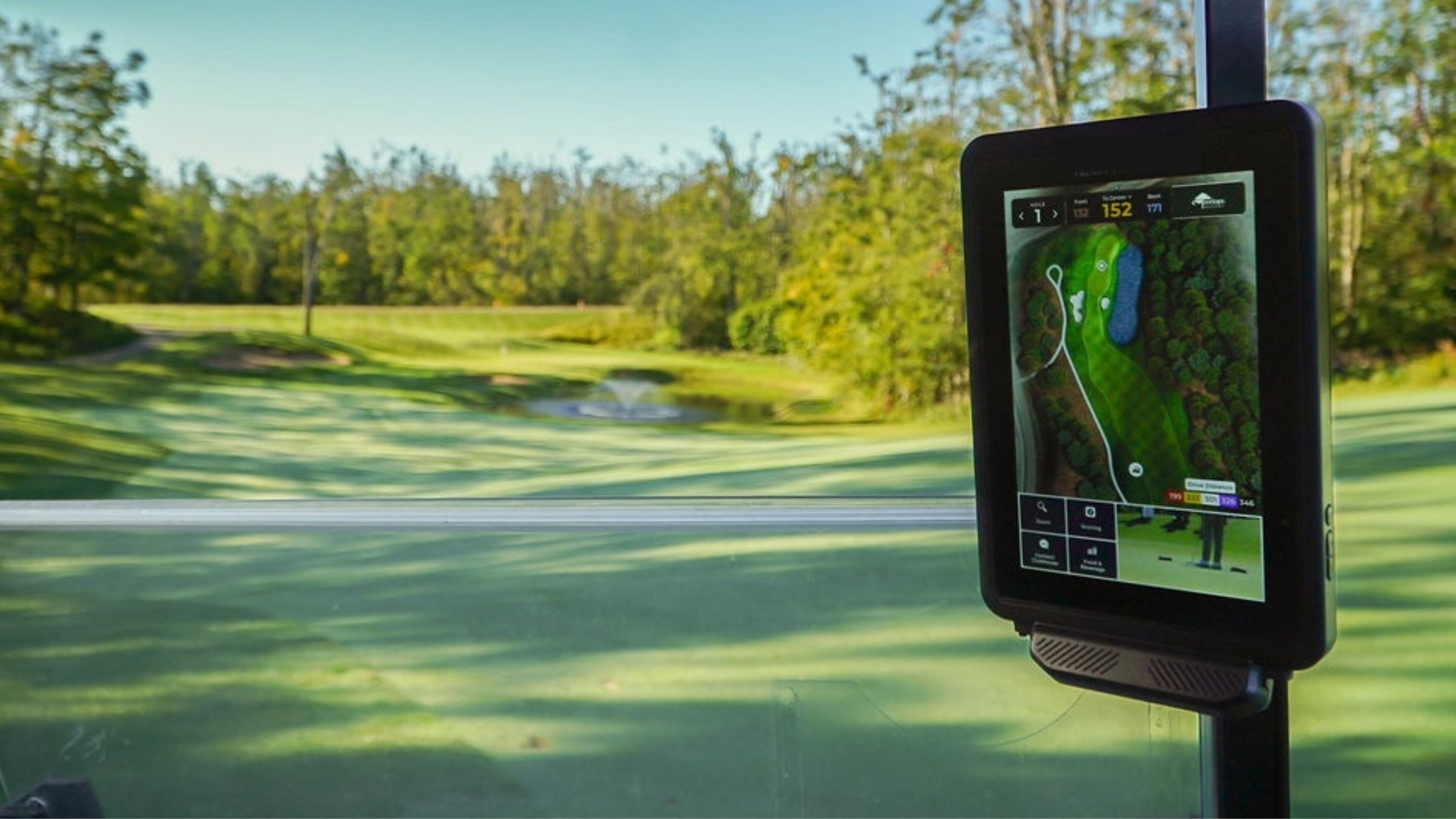
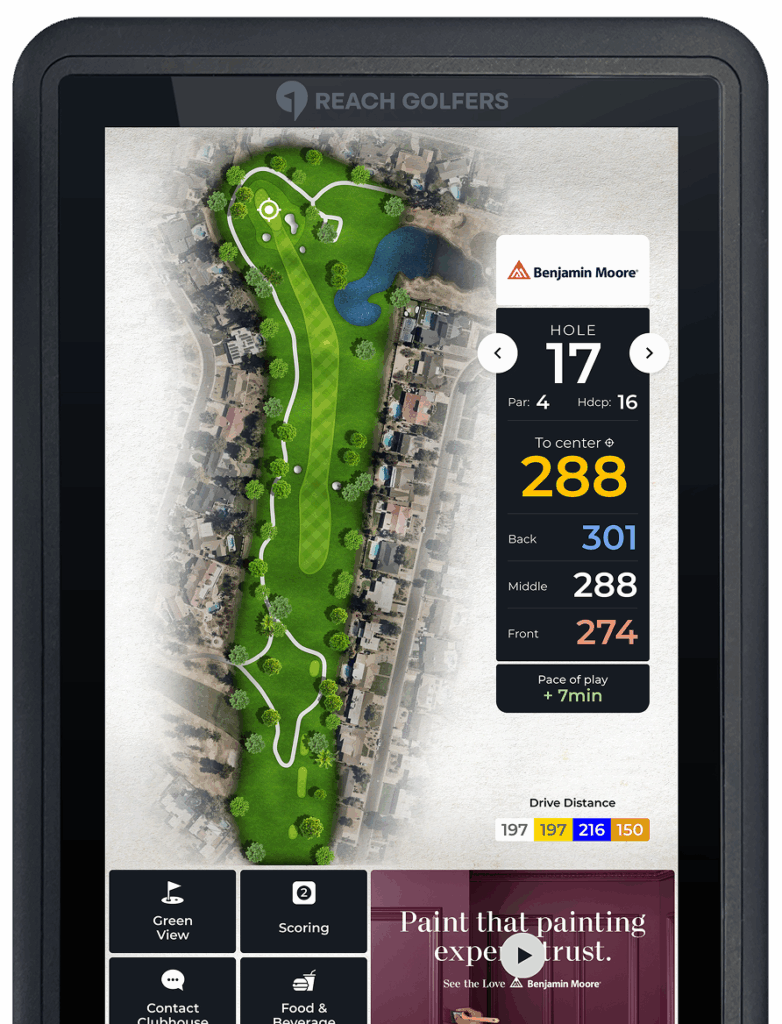
But here’s what a lot of operators overlook: GPS screens don’t just help you manage pace — they passively improve it before you ever send a single message. When golfers have yardage, hole layouts, and hazard info right in front of them, the round naturally speeds up:
- No more driving up to scout a dogleg or blind shot. Golfers can plan their next shot before they step out of the cart.
- No more waiting on the group ahead who’s 200+ yards away. Players can see exactly where they are and play confidently.
- No more running back and forth to the cart on cart path only days because they grabbed the wrong club. Accurate yardage means they pull the right one the first time.
That’s real pace improvement without a ranger saying a single word or posting a single expectation. And when you layer in active course management tools, operators can move from reactive to proactive and use real data instead of gut feel.
Speed Up Rounds With Reach Golfers
Reach Golfers’ cart-mounted GPS technology gives course operators the ability to communicate with golfers in real time during the moments that matter most. Instead of sending marshals to chase down slow groups, you get precision tools that pinpoint the actual problem:
- Real-time pace of play monitoring that identifies blocking carts on the course
- Targeted messaging that reaches only the problem carts (not everyone on the course)
- Instant cart path violation detection that sends alerts without shutting down the cart
- An easy-to-use dashboard that delivers actionable insights to course operators at a glance
- F&B ordering through the cart screen, so golfers aren’t waiting around between holes for food and drinks
You don’t need marshals driving around 24/7. With GPS-enabled communication, you can reach the right golfers at the right moment — and keep everyone else enjoying their round.
The result? Faster rounds, increased daily revenue, and happier golfers who keep coming back.
Ready to see how cart-mounted GPS technology works? Request a demo and find out how Reach Golfers can help you improve pace of play on your golf course.